
Cartesan translates neuroscience, psychology and metabolic science into practical strategies and initiatives for resilience, motivation and mental well-being.
We work with companies, institutions and individuals through four formats—consulting, counseling, speaking, and project development—ranging from concept and proposal shaping to implementation when needed.
Cartesan works with a lean structure and direct senior involvement. When additional expertise is useful, we draw on a curated network of trusted collaborators (e.g., psychiatry, clinical research, metabolism/nutrition and data-driven evaluation), assembled ad hoc to fit the project.
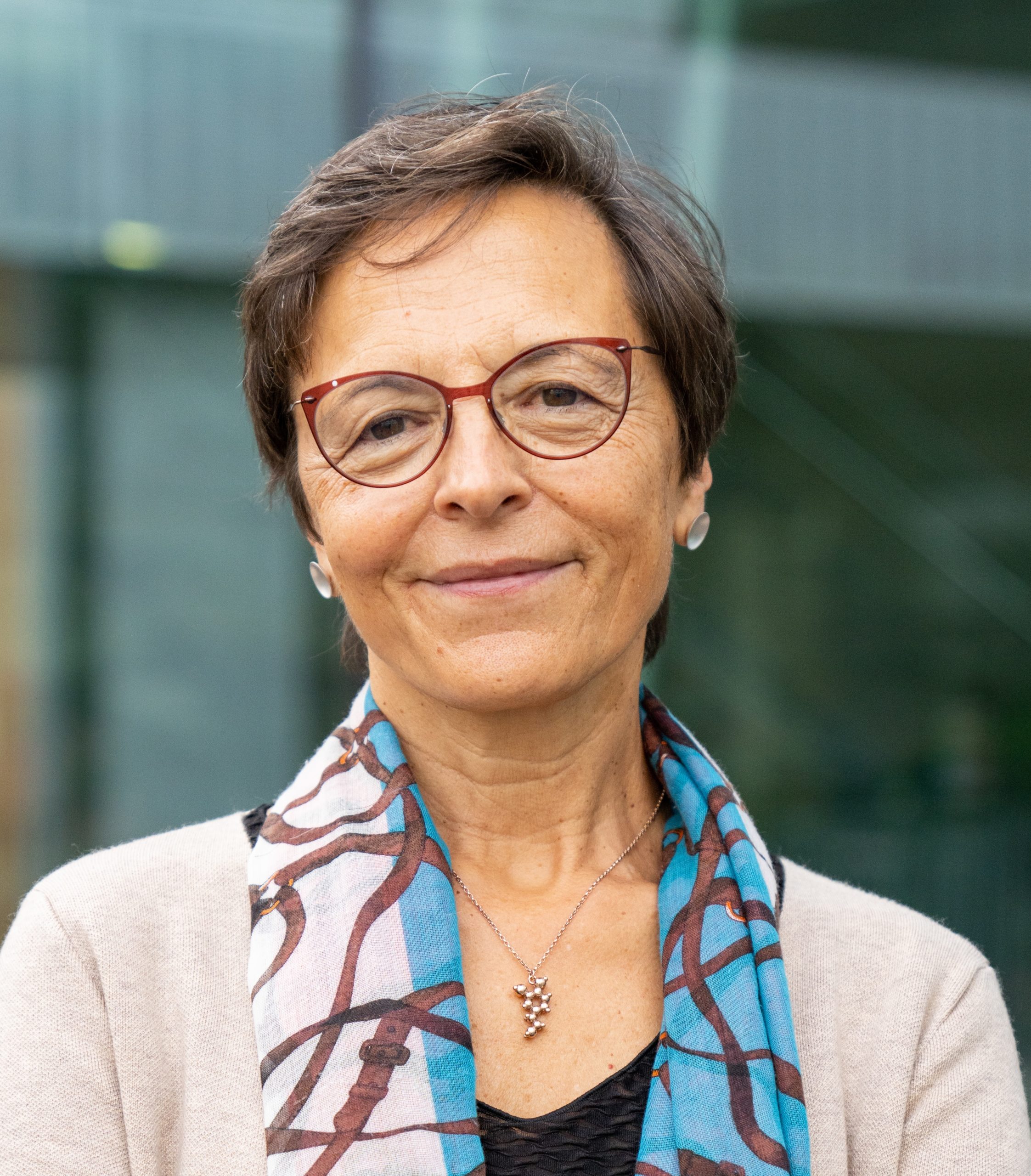
Carmen Sandi is Professor of Neuroscience at EPFL (Swiss Federal Institute of Technology Lausanne) with clinically informed training in psychology. She is internationally recognized for pioneering work on the neuroscience of stress resilience, anxiety and motivation, and for uncovering how brain metabolism and mitochondria contribute to individual differences in vulnerability and adaptive functioning.
She has published 300+ peer-reviewed research articles and has held senior leadership roles in major scientific organizations, including the Federation of European Neuroscience Societies (FENS), the European Brain and Behavior Society (EBBS) and the Global Stress and Resilience Network. She served as Scientific Director of EPFL’s Brain Mind Institute and co-directed the Swiss Mental Health research center on the Neuroscience of Synapsy, and contributes to editorial and scientific advisory boards spanning academia and industry.
Selected honors
We draw strength from the expertise of a small and accomplished Scientific Advisory Board. Our advisors bring complementary perspectives across neuroscience, psychiatry, metabolism, human clinical research and translation.

Monica Di Luca is the Director of Department of Excellence of Pharmacological and Biomolecular Sciences of University of Milano. Her research interest is related to synaptic plasticity both in physiological and pathological conditions, with the aim to apply her basic findings to the cure of neurodegenerative diseases. Her discoveries enriched the understanding of glutamatergic synapse, increasing our knowledge on plasticity and memory and leading to new tools for neuroprotection.
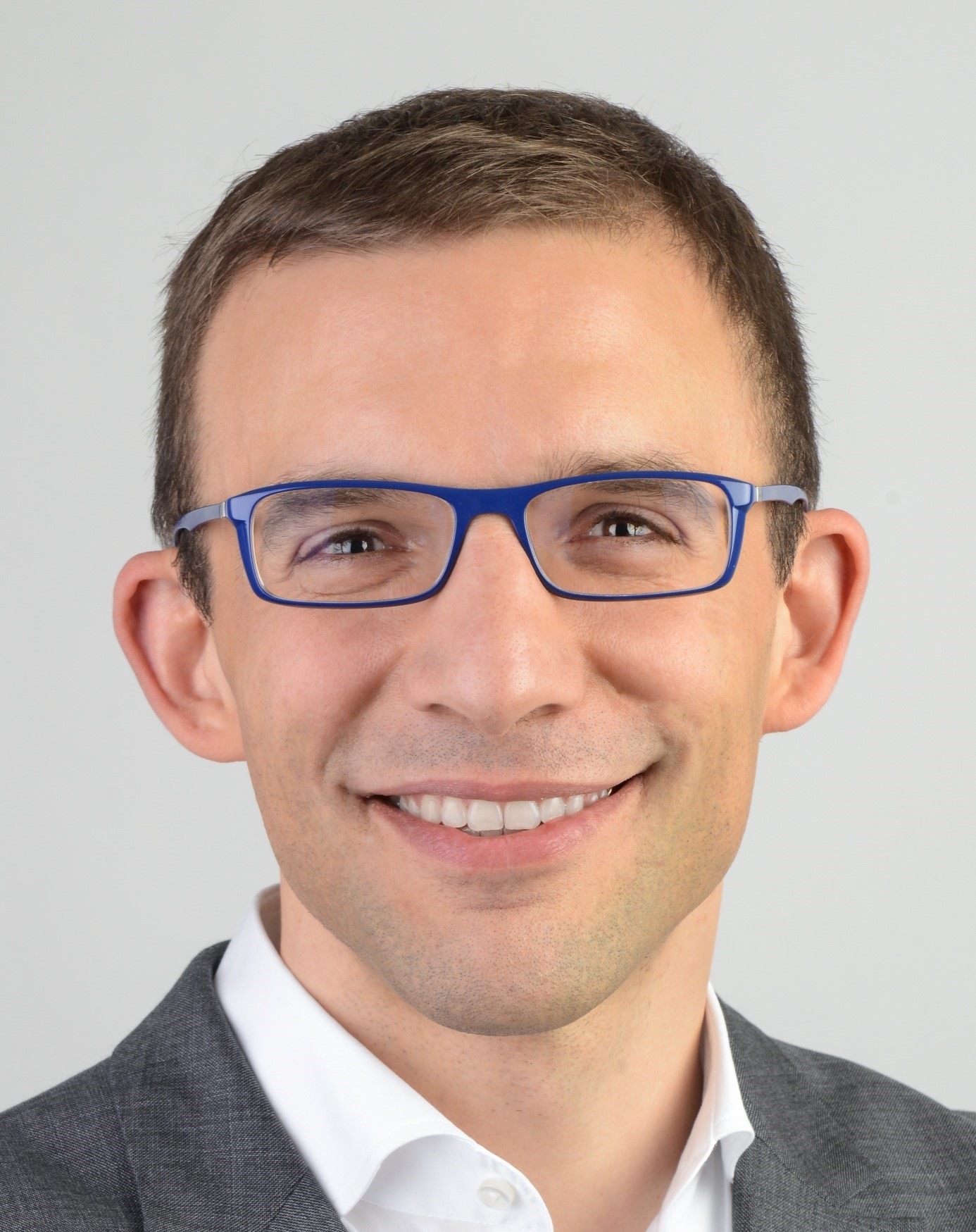
Stefan Kaiser is head of the adult psychiatry division and director of the department of psychiatry at the Geneva University Hospitals, Switzerland. He is professor of psychiatry at the University of Geneva.
His scientific work is focused on schizophrenia and other psychotic disorders, in particular the motivational impairment that accompanies these disorders and that is associated with dysfunctions of the brain reward system. This research employs a multi-level approach including clinical psychopathology, behavioral experiments and functional neuroimaging as well as meta-analytic methods.
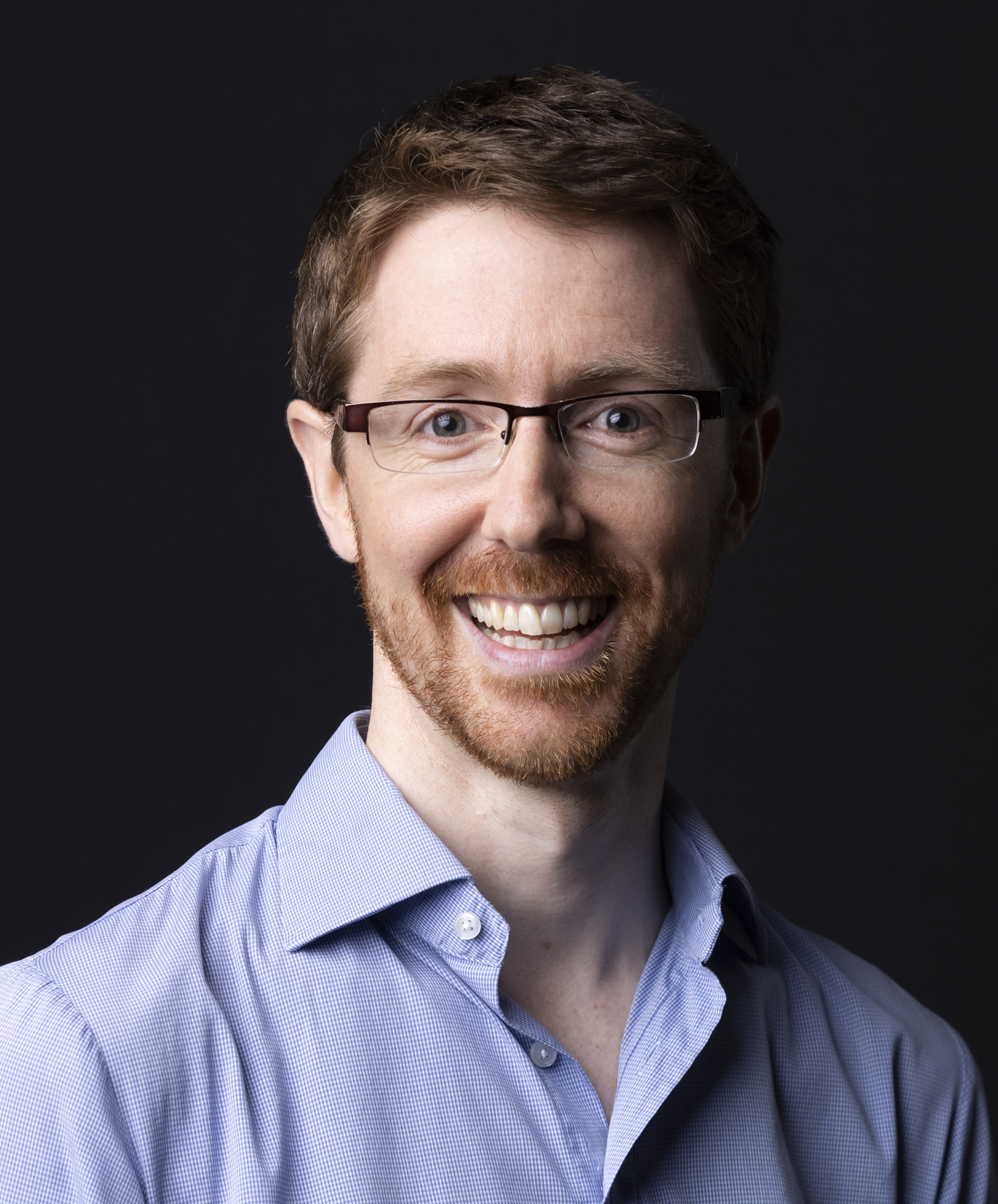
Martin Picard directs the Mitochondrial Psychobiology Group at Columbia University Irving Medical Center in New York, USA. His team has developed laboratory approaches to study the mind-mitochondria connection in humans, to map the diversity of mitochondria across the brain and body, and to longitudinally examine the link between energy expenditure and lifespan.